Understanding Traumatic Brain Injury: Key Insights
- Russell Zaimi
- Apr 8
- 4 min read

Traumatic Brain Injury (TBI) is a serious health concern that affects millions of people worldwide. It can result from various incidents, including falls, vehicle accidents, and sports injuries. Understanding TBI is crucial for prevention, treatment, and rehabilitation. In this post, we will explore the causes, symptoms, diagnosis, treatment options, and long-term effects of TBI, providing you with essential insights into this complex condition.
What is Traumatic Brain Injury?
Traumatic Brain Injury refers to damage to the brain caused by an external force. This can lead to a range of physical, cognitive, and emotional impairments. TBIs can be classified into two main categories:
Closed TBI: Occurs when the head strikes an object, and the skull remains intact.
Open TBI: Involves a break in the skull, allowing foreign objects to penetrate the brain.
Causes of Traumatic Brain Injury
Understanding the causes of TBI is essential for prevention. Some common causes include:
Falls: The leading cause of TBI, particularly among older adults and young children.
Motor Vehicle Accidents: Collisions can result in severe head injuries.
Sports Injuries: Contact sports like football and hockey pose a high risk for TBIs.
Violence: Gunshot wounds and assaults can lead to open TBIs.
Symptoms of Traumatic Brain Injury
Symptoms of TBI can vary widely depending on the severity of the injury. They can be categorized into three main groups:
Physical Symptoms:
Headaches
Nausea or vomiting
Fatigue or drowsiness
Sleep disturbances
Cognitive Symptoms:
Confusion or disorientation
Difficulty concentrating
Memory problems
Slurred speech
Emotional Symptoms:
Mood swings
Anxiety or depression
Irritability
It's important to note that symptoms may not appear immediately after the injury. Some individuals may experience delayed symptoms, which can complicate diagnosis and treatment.
Diagnosis of Traumatic Brain Injury
Diagnosing TBI typically involves a combination of physical examinations, medical history assessments, and imaging tests. Healthcare professionals may use the following methods:
Neurological Exam: Evaluating reflexes, vision, and coordination.
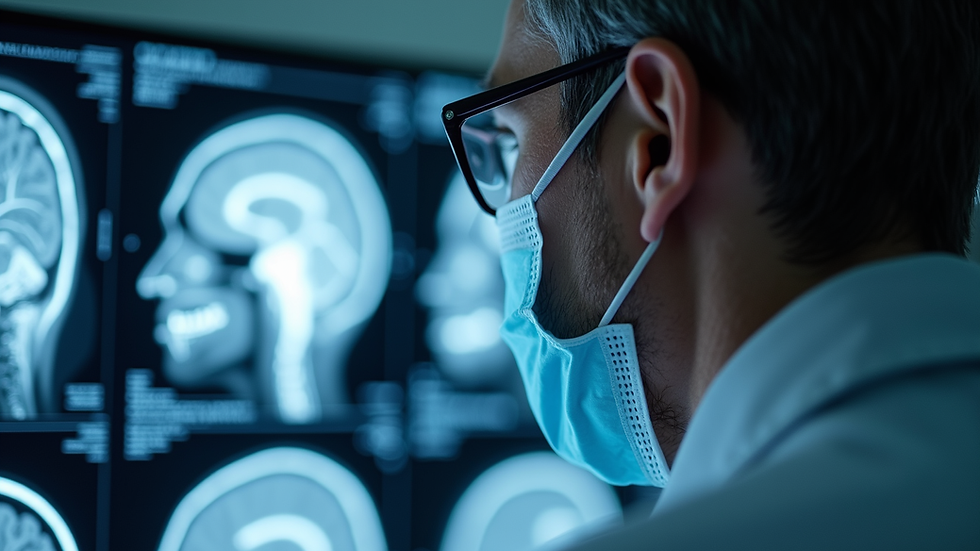
CT Scans and MRIs: Imaging tests that help identify brain injuries and bleeding.
Glasgow Coma Scale (GCS): A scoring system used to assess consciousness levels.
Importance of Early Diagnosis
Early diagnosis is crucial for effective treatment and rehabilitation. Delayed diagnosis can lead to worsening symptoms and complications. If you suspect a TBI, seek medical attention immediately.
Treatment Options for Traumatic Brain Injury
Treatment for TBI varies based on the severity of the injury. Options may include:
1. Emergency Care
In severe cases, immediate medical intervention is necessary. This may involve:
Stabilizing the patient
Controlling bleeding
Reducing pressure on the brain
2. Medications
Medications may be prescribed to manage symptoms and prevent complications. Common medications include:
Pain relievers: To alleviate headaches and discomfort.
Antidepressants: To address mood disorders.
Anticonvulsants: To prevent seizures.
3. Rehabilitation
Rehabilitation is a critical component of TBI recovery. It may involve:
Physical Therapy: To improve mobility and strength.
Occupational Therapy: To assist with daily living activities.
Speech Therapy: To address communication difficulties.
4. Psychological Support
Emotional and psychological support is vital for individuals recovering from TBI. Counseling and support groups can help patients cope with the emotional challenges associated with their injuries.
Long-Term Effects of Traumatic Brain Injury
The long-term effects of TBI can vary significantly from person to person. Some individuals may recover fully, while others may experience lasting impairments. Common long-term effects include:
Cognitive Impairments: Difficulty with memory, attention, and problem-solving.
Physical Disabilities: Challenges with coordination and balance.
Emotional Changes: Increased risk of anxiety, depression, and mood disorders.
Coping Strategies for Long-Term Effects
Individuals living with the long-term effects of TBI can benefit from various coping strategies, including:
Establishing Routines: Creating structured daily schedules can help manage cognitive challenges.
Seeking Support: Engaging with support groups or mental health professionals can provide emotional relief.
Staying Active: Regular physical activity can improve overall well-being and cognitive function.
Prevention of Traumatic Brain Injury
Preventing TBI is essential for reducing its incidence. Here are some effective strategies:
Use Safety Equipment: Helmets and protective gear can significantly reduce the risk of head injuries in sports and recreational activities.
Fall Prevention: Implementing safety measures at home, such as removing tripping hazards and installing grab bars, can help prevent falls.
Safe Driving Practices: Wearing seat belts and avoiding distractions while driving can reduce the risk of motor vehicle accidents.
Conclusion
Understanding Traumatic Brain Injury is vital for prevention, early diagnosis, and effective treatment. By recognizing the causes, symptoms, and long-term effects of TBI, we can better support those affected by this condition. If you or someone you know is experiencing symptoms of TBI, seek medical attention promptly. Together, we can work towards reducing the incidence of TBI and improving the quality of life for those impacted by it.
Takeaway
Stay informed about TBI, prioritize safety, and advocate for awareness in your community. Your actions can make a difference in preventing traumatic brain injuries and supporting those on their road to recovery.


Comments